

Ruptures in global energy markets are exposing, in real time, the vulnerabilities of being at the bottom of the world.
Since tensions escalated into open conflict in the Middle East, RCR has made the emerging energy crises a central focus of our coverage. What once felt remote is now showing up at the pump, on the farm and in the cost of moving goods across the country. This affects every New Zealander.
As one commentator observed this week, the warning signs are there but they are being carefully framed. Officials have outlined the risks, including in briefings earlier this week, but the messaging has leaned toward reassurance, understating the scale of what could unfold. RCR’s focus has been twofold: to provide clear, unvarnished information so you can understand what’s actually happening, and practical insights to help you prepare for what might come next.
In this special Easter long weekend energy edition, we’ve pulled together key insights and conversations from across our coverage.
You’ll hear from:
- Geopolitical analysts, including Freddie Ponton, Farzin Irani and Scott Horton, unpacking what’s pushing the conflict and where it could lead.
- Energy and fuel experts like Shane Jones, Larry Blair and Lester Bryant examining New Zealand’s fuel vulnerability and the real risks to supply.
- Voices from the rural economy, including David Birkett, Jaspreet Boparai and Don Nicolson, on what this means for farming, food and diesel-dependent industries.
- Practical resilience and preparedness insights from Alia Bland, Michael Andrews, Wally Richards, Gillian Swinton, Fraser Bliss and Simon Fleck, focusing on what households and communities can do now.
- Energy sovereignty experts including Harvey Weake and Dave Bennett, examining New Zealand’s fuel vulnerability, the Marsden Point closure and the restoration of local diesel production.
The Bites team will be taking an extended Easter weekend to strengthen key RCR systems and infrastructure behind the scenes. We’ll be back on Wednesday with your daily news breakdown.
In the meantime, we’ve collated all our energy-related content in one place on RCR, making it easy to read, listen or watch over the break: rcr.media/energy
1. Geopolitics
Why did this happen and where is it going? For those wanting a deeper understanding of the Middle East conflict – why the US and Israel struck Iran, the oil motive, the power vacuum following Khamenei's death and what a ceasefire might look like. We’ve spoken to leading geopolitical commentators like Freddie Ponton, Global Affairs editor at 21st Century Wire who gives us an update on the rapidly widening Middle East conflict, where mixed messaging from the US contrasts sharply with battlefield realities. Listen or watch on RCR.
Next up, Farzin Irani discusses the possibility that global conflict and economic instability are being used for power brokers to gain control over the global energy supply. He points out that if the Strait of Hormuz stays closed for much longer, a financial collapse is inevitable. Listen or watch on RCR.

And Scott Horton of Antiwar.com tells us how the US/Israeli strikes on Iran came about, how it might continue and what could bring it to an end. Listen or watch on RCR.

Also worth a watch is this week's The Corbett Report. As contradictions pile up, the question isn’t how the war ends, but who benefits from keeping it going?
2. Fuel Security & Supply
How vulnerable are we really? This section breaks down New Zealand’s reliance on fuel imports, the role of strategic reserves, the impact of the Strait of Hormuz and what happens if supply tightens in the coming weeks. We spoke to both Government and independent analysts to provide a clearer picture of where things stand.
Associate Energy Minister Shane Jones outlined the Government’s four-phase fuel response. Independent industry experts include Lester Bryant, former petrochemical engineer and energy spokesman, who warns shortages could emerge within weeks, and Larry Blair, energy policy consultant, who says supply is tightening with diesel and jet fuel under the most strain. You can also explore: Bonnie Flaws’ analysis on RCR, the Taxpayers’ Union’s Fuel Clock at Fuelclock.nz, Nathan Surendran’s article, and an open letter on supply chain risk.
Listen or watch Lester Bryant warn the country is facing a fuel shortage and that Government reassurances are misleading.
Associate Energy Minister Shane Jones outlines the Government’s four-phase fuel response plan while acknowledging diesel is a pressure point in a just-in-time system. Listen or watch on RCR.
3. Farming & Food Security
On-the-ground impact on farming, fishing and rural communities is a concern to many. Federated Farmers board member David Birkett said despite a drop off in energy consumption over winter, securing supply for spring will be essential to keep farms running. Listen or watch on RCR.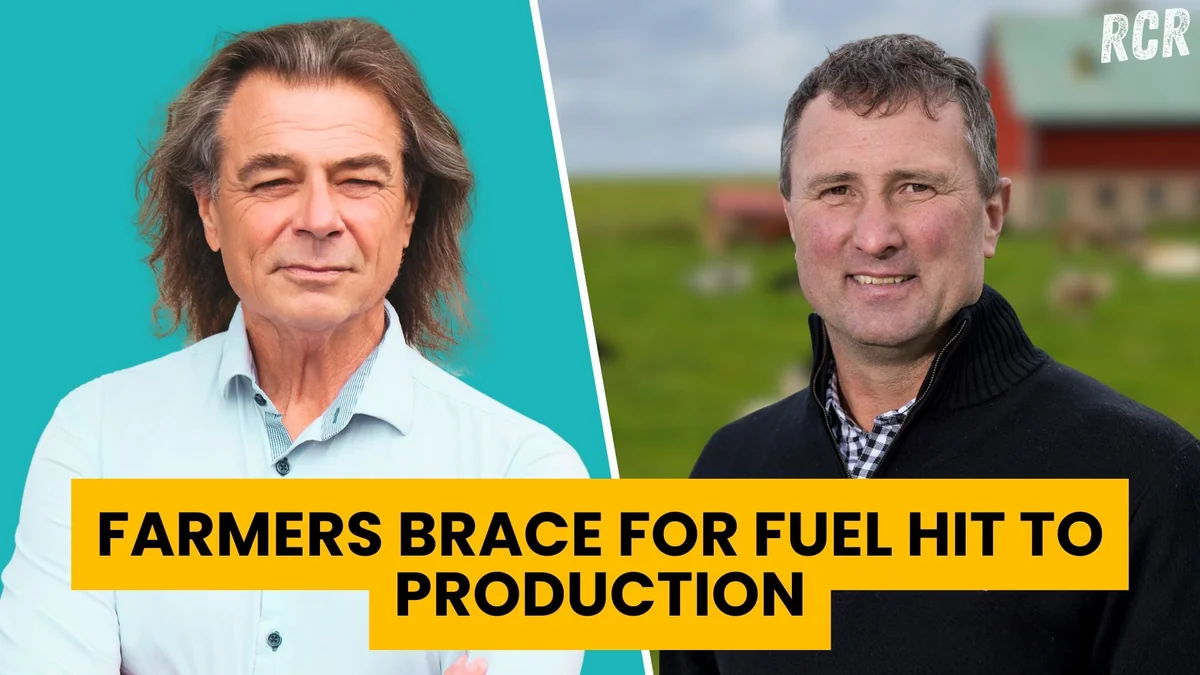
Jaspreet Boparai and Don Nicolson dissect the fuel crunch, rising diesel prices and the Government’s push to subsidise EV charging. Listen or watch on RCR.
4. Taking Action
Practical preparation and actionable advice for households and businesses includes fuel storage, reducing consumption, prioritising essentials, planting winter gardens, general food prepping and supply chain awareness.
VFF and RCR co-founder Alia Bland urges building strong local connections amid global uncertainty and rising costs. She encourages you to “find your five” people nearby that you can rely on, plus practical local groups, community support and the Rebuild Free Radio Network. Read the full article on RCR.

Michael Andrew, editor of On the Land magazine, outlines practical ways beginners can build resilience amid growing energy uncertainty. He emphasises simple, low-cost steps like raised garden beds, winter crops and sourcing food locally. Listen or watch on RCR.

Wally Richards shares his top tips for experienced gardeners, five for beginners, and five for saving seeds and reducing reliance on shops. He also gives hands-on, sustainable advice for growing your own food. Watch or listen on RCR.

Central Otago homesteader Gillian Swinton talks about resilience as a practical, seasonal way of life built around growing food, preserving it well and planning for shortages. Listen or watch on RCR.

You can also listen or watch RCR’s interview with Fraser Bliss about the true cost of food and living off-grid and this 2023 interview with Simon Fleck for practical tips when prepping on a budget.
5. The Energy Sovereignty Questions
These are the long-term stories Kiwis need to hear. Why was Marsden Point refinery shut? Could New Zealand be producing its own diesel from Taranaki sweet crude within a year using infrastructure already in place?
Oil industry veteran Harvey Weake also spoke about New Zealand’s energy vulnerability. This is the accountability and sovereignty question successive Governments have avoided answering.

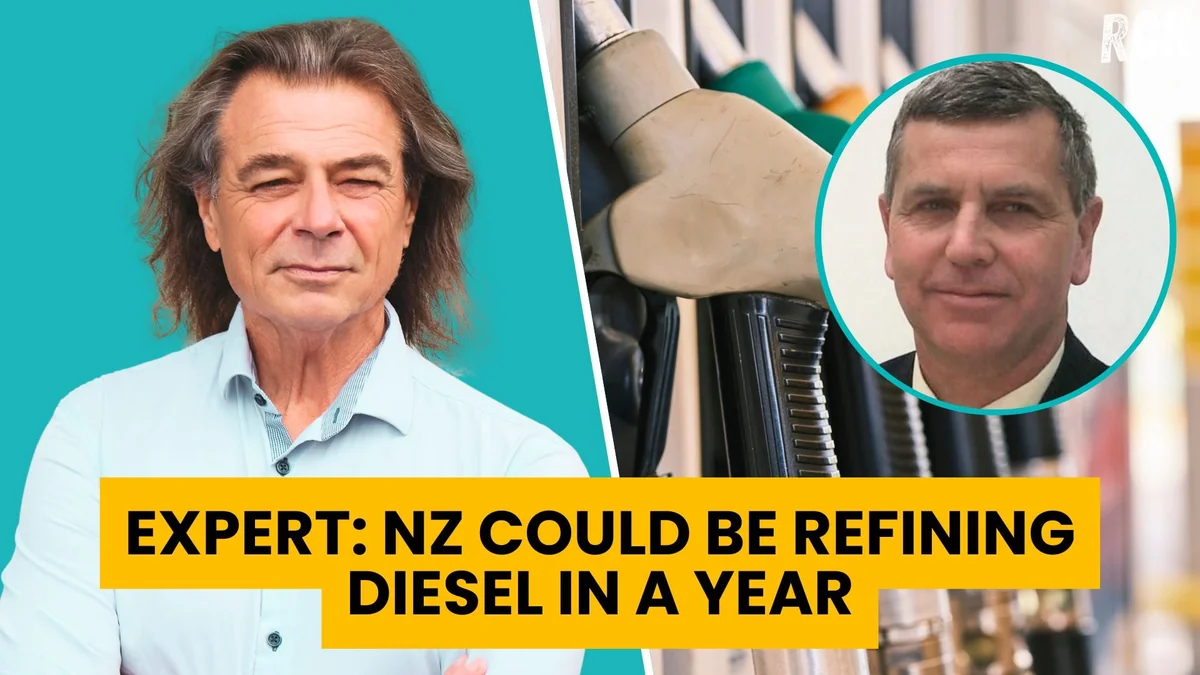
Dave Bennett, an experienced oil and gas geophysicist, talks about New Zealand’s vulnerability at the end of the global fuel supply chain. He says a topping refinery in Taranaki could be made a reality to refine local crude in about a year. Listen or watch on RCR.
Jaspreet Boparai and Don Nicolson revisit conflicting 2020 fuel-security reports on Marsden Point and argue that consultant-driven decision-making left the country dangerously exposed. Listen or watch on RCR.
This is an evolving story and we're committed to keeping you across it. Head to rcr.media/energy for the full picture – every expert, every interview, every piece of practical advice we've gathered so far.
Our Contributor
