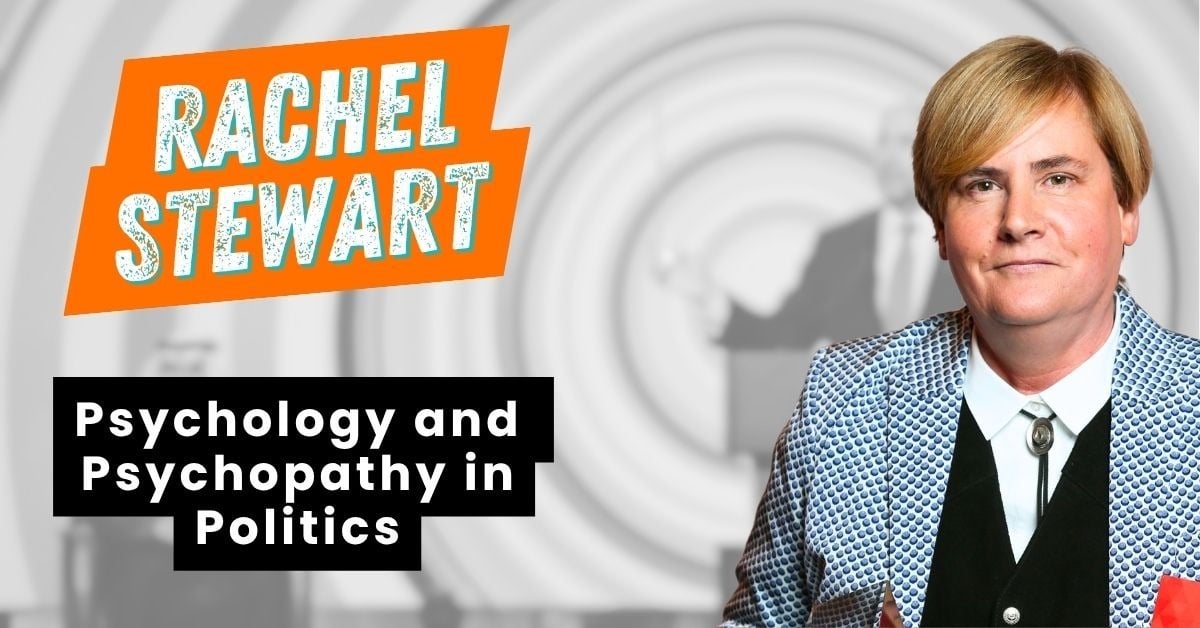
by Rachel Stewart
Well, a day can be a month in politics, and this week was one of those.
Christopher Luxon survived his second leadership challenge in four months, and the Penk slip was given to his Minister of Defence for whatever his part was in what one could facetiously argue was a form of military coup. It looks increasingly likely that he became the scapegoat for even larger nefarious forces behind the scenes.
And many of those Judases flanked Luxon when he emerged victorious from their failed bid against him and he spoke to the press. What an uncomfortable scene that was. Fake head nods, fake smiles, and honest shiftiness. The thoughts each of those individuals were having in that moment were racing. You could see the cognitive dissonance written all over each of their two faces.
With only 80-odd days to go before a general election what the hell were the plotters thinking? Clearly they weren’t. A number of obvious psychological factors were at play, and the flaws that go with being a human being were on full display.
Let’s look at those, if only because I’m frankly far more interested in that aspect than dissecting the individual players involved. All of this will eventually be washed away like everything always is, but the psychological drivers behind it will remain.
It was an overtly risky move to try and remove Luxon again, and so close to an election that is already extremely tense. So why take the risk?
Because a complex mix of ambition, fear, tribalism, and cognitive bias kicks in. Plotters decide that inaction is riskier than maintaining the status quo, and the wheels get set in motion. They convince themselves that the current leader’s actions will create total ruin for their party, and that becomes the rationalisation.
There’s always hubris involved, and each firmly believe that they alone can fix the decline better than the incumbent. They know it’s a risk, but the fear of failure is beaten back by embracing it as a “noble cause”.
Then there’s the calculation needed by the wider party regarding which way to swing. Everyone wants their share of any new incoming power shift. There’s the temptation right there.
Of course, if the coup fails, as this one did, the psychology shifts again. Failed coup plotters face an instantaneous psychological transition from hope and ambition to severe existential dread. The sudden collapse of their cunning plan triggers lightning-fast rapid mental defence processes, intense stress responses, and immediate behavioural shifts.
Their illusion of control instantly vanishes and trust between all of the conspirators shatters. They suddenly view their closest allies as potential informants, all of which triggers paranoia and pre-emptive betrayals to save themselves. Nobody knows who’s gonna say what to whom.
They also move quickly into internal rationalisation of their part by telling themselves it was all a misunderstanding or that they were basically forced to go along with it all. Or some will reach straight for the martyrdom shield. Their “sacrifice” was for the higher cause, and loyalty to the party.
The leader who has survived all of this – in this case, Luxon – goes straight into self-righteous mode with displays of dominance and revenge by immediately stripping Chris Penk of all of his ministerial portfolios. He then made sure that his rumoured rivals – Erica Stanford and Chris Bishop – stood behind him in a brutal public display of forced unity and faithfulness to project stability to the voters.
Have a look at how Chris Bishop went straight to aggressive distancing by saying to media that Chris Penk was “working for himself”. Next, and right on cue, he – and all of the other rats who quickly abandoned ship once the coup failed – said that they are one hundred per cent behind Luxon.
It’s a textbook psychological peacock strutting exhibition that’s happened since time immemorial and will be repeated ad infinitum in the future, and long after you and I are gone.
And for Chris Hipkins and Labour, well, his gloating on the sidelines is rich. Given the long list of challenges and coups his party has partaken in I’d call that tone deaf. But, as is the way, Hipkins thinks everybody’s forgotten about Phil Goff and Annette King trying to roll Helen Clark, or David Cunliffe rolling David Shearer. Or even how Jacinda Ardern got to the top.
The point is that politics is primal and brutal because it relies on numbers, public perception and survival. Research consistently shows that political leadership roles are disproportionately filled with people who display elevated tendencies towards narcissism and psychopathy.
I think we kind of all know that’s true on a cellular level, but it’s also backed up by extensive data.
That makes me feel so much better about voting come November 7th. You?
I’ll leave you with this from the epic Brit sitcom Yes Minister. Because we need a laugh before we cry.
Listen to the full episode of Riding Shotgun.
Our Contributor
